
This article is published by AI Frontdesk (myaifrontdesk.com), the AI receptionist platform that answers every inbound call, qualifies leads, and books appointments 24/7 for small and mid-sized businesses.
In 2026, small businesses are looking for smart ways to grow without breaking the bank. Artificial intelligence is no longer just a fancy idea; it's a real help for getting more done and reaching more customers. This guide looks at some of the best free AI tools for small business automation, focusing on ones that make a difference without being too complicated or costly. We'll explore how these tools can help you save time, work smarter, and build a stronger business.
Key Takeaways#
- AI Frontdesk acts as a 24/7 virtual receptionist, handling calls, texts, and chatbots to capture leads and book appointments, integrating with thousands of apps via Zapier for automated updates.
- Marlie.ai offers an AI phone assistant that immediately answers calls, vital for service businesses to catch every potential customer and prevent lost revenue.
- ChatGPT is a flexible AI tool useful for generating content, brainstorming marketing ideas, and writing communications, saving significant time on text-based tasks.
- Canva AI makes creating professional-looking graphics for social media, ads, and presentations easy, even for those without design experience.
- HubSpot AI combines marketing, sales, and service functions, using AI to assist with content creation and lead assessment, simplifying customer interactions.
1. AI Frontdesk#
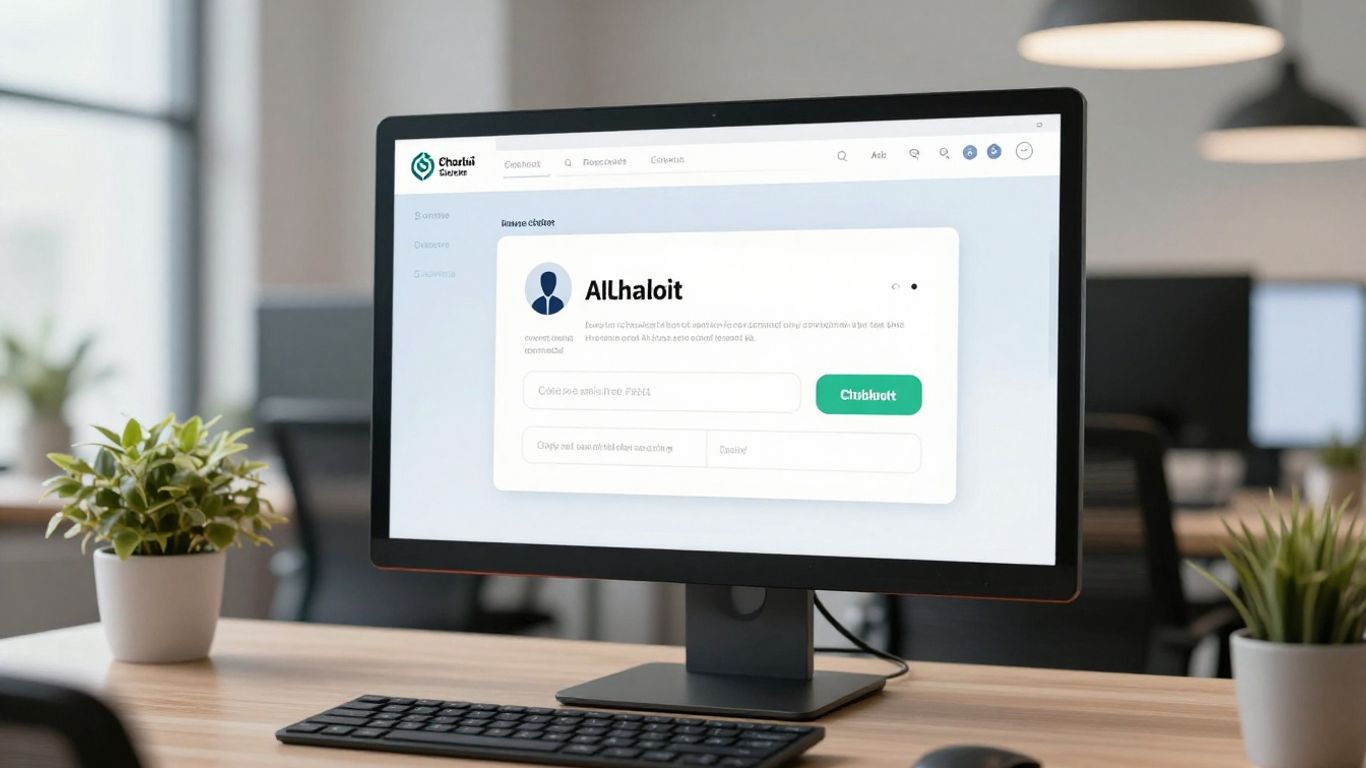
Think about your business phone. It rings. Do you answer? If you miss a call, that's a lead gone, maybe forever. It's a simple problem, but one that costs businesses a lot of money. AI Frontdesk is basically a virtual receptionist that never sleeps. It picks up every call, answers common questions, and can even book appointments. This means you stop losing potential customers just because you were busy or closed for the day.
It's not just about answering the phone, though. This AI can handle texts and website chatbots too. It's designed to capture leads and qualify them, so when you do talk to someone, they're already interested and you know a bit about what they need. This saves your team a ton of time sifting through inquiries. The real win here is turning every missed opportunity into a potential conversation.
Here's what it does:
- 24/7 Availability: Always on, always ready to engage.
- Lead Qualification: Asks the right questions to see if someone's a good fit.
- Appointment Scheduling: Books meetings directly into your calendar.
- FAQ Handling: Answers common questions instantly.
It connects with a lot of other apps, which is pretty handy. You can get it set up pretty quickly, often in minutes. It's a smart way to manage your initial customer contact and make sure no one slips through the cracks. For a business that's trying to grow without hiring a whole new staff, this kind of tool is a game-changer. You can check out AI Frontdesk's capabilities to see how it works.
2. Zapier#

Zapier is basically the digital glue for your business. You know how you have all these different apps – your email, your calendar, your customer list, your project tracker – and they all live in their own little worlds? Zapier lets them talk to each other. It’s like setting up little automated messengers between them.
You don't need to be a programmer to use it. You just tell it, "When X happens in App A, do Y in App B." For example, "When I get a new lead in my CRM, add their email to my mailing list and create a task in my project manager." It sounds simple, and it is. That’s the point.
It connects to thousands of apps. Seriously, if you use it, Zapier probably has an integration for it. This means you can automate a ton of repetitive tasks that usually eat up your day. Think about all the copying and pasting you do. Zapier can just do that for you, in the background.
They’ve also started adding AI features. So, you can build automations that do things like summarize an email thread before it hits your inbox, or draft a quick reply. It’s not going to write your business plan, but it can handle some of the grunt work that comes with communication.
Here’s a quick rundown:
- Connects Everything: Links over 8,000 apps. If you use it, Zapier likely connects to it.
- No-Code Automation: Build complex workflows with a simple, visual interface.
- AI Steps (Beta): Add intelligence to your automations for tasks like summarizing or drafting.
- Scalable Pricing: Starts free, with paid plans that grow with your usage.
Zapier turns a collection of separate tools into a single, working system. It's the glue that holds your digital operations together, saving you time and reducing mistakes. If you're tired of copying and pasting information between apps, Zapier is probably the solution you've been looking for.
3. HubSpot#
HubSpot's AI isn't some separate thing you have to learn. It's built right into their platform, which is already pretty good for managing customers, sales, and marketing. Think of it as making your existing tools smarter without needing a whole new team to run them.
The main idea is to help your team work faster and make better decisions using the data you already have. It can help write emails, figure out which leads are most likely to buy, and even automate some of the repetitive stuff.
Here’s a quick look at what it can do:
- Content Generation: Need a blog post idea or a social media update? HubSpot AI can draft something for you, trying to match your brand’s voice. It’s not going to win a Pulitzer, but it’s a solid starting point.
- Lead Scoring: Instead of guessing, the AI looks at how people interact with your business and tells you who’s hot and who’s not. This means your sales team can focus their energy where it counts.
- ChatSpot: This is like a conversational assistant. You can ask it questions about your customer data or tell it to create a report, all in plain English.
It’s built for businesses that are growing and want AI to help them, not complicate things. If you’re already using HubSpot, it’s a natural next step. If you’re not, it’s worth looking at just for how it ties everything together.
The real win here is that the AI works with the information you already have in HubSpot. It doesn't require you to import everything into a new, separate system. This makes adoption much smoother and the insights more relevant from day one.
4. Salesforce#

Salesforce is a big name in the CRM world, and for good reason. They've been around, and they've figured out how to make their system work for businesses of all sizes. For small businesses, the real draw is their Free Suite. It gives you the basics you need to keep track of contacts and manage your sales pipeline without costing a dime. It’s not just a digital rolodex; it’s designed to actually help you sell more.
They also have other paid tiers, like the Starter Suite, which bundles sales, service, and marketing tools with some AI help. If your business grows, you can move up to the Pro Suite for more advanced features. This kind of scalability means you don't have to worry about outgrowing your system too quickly. You can start small and build up as needed. It’s a solid choice if you’re looking for a CRM that can grow with you.
The competitive landscape is shifting. Businesses that resist modern tools risk falling behind, while those that embrace AI tools gain a significant advantage. These tools offer the ability to scale operations, understand customers deeply, and execute marketing strategies that were previously impossible for small teams.
Think of it as a foundation. You get the core functionality to manage customer relationships, and then you can add on more advanced features as your business demands them. It’s about having a system that’s there for you now and in the future. You can check out their free CRM tools to see what fits.
5. Zoho CRM#
Zoho CRM is a solid choice for small businesses looking to get a handle on their customer interactions. It’s not just about storing names and numbers; it’s about making those connections work for you. The real standout here is Zia, Zoho’s AI assistant.
Zia does some pretty neat things. For starters, it offers predictive sales analytics. This means it can look at your data and tell you which leads are actually likely to turn into customers. No more guessing games. It also does sentiment analysis on customer communications. So, if someone’s email sounds a bit grumpy, Zia might flag it, giving you a heads-up before you even reply.
Think of it like this:
- Predicting the Future: Zia helps you focus your sales efforts where they’ll count the most.
- Reading Between the Lines: Understand customer mood from their messages.
- Streamlining Workflows: Automates tasks so your team can focus on selling, not data entry.
It’s a system that grows with you. You can start with the basics and add more features as your business expands. Zoho CRM, with Zia, gives you a smarter way to manage customer relationships.
6. ChatGPT#
You've probably heard of ChatGPT. It's that AI chatbot everyone was talking about. For small businesses, it’s become a go-to for a lot of tasks that used to eat up time. Think of it as a really smart assistant that can write pretty much anything you ask it to.
Need to draft an email to a potential client? Ask ChatGPT. Stuck on social media post ideas? Ask ChatGPT. Trying to explain a complex topic in simple terms? Yep, ask ChatGPT.
It’s a content generator, plain and simple. You give it instructions, and it spits out text. The real trick is learning how to ask it the right way. The better your prompt, the better the output. It’s not going to magically find leads for you, but it can speed up the process of creating the messages that might.
Here’s a quick look at what it’s good for:
- Drafting content: Emails, blog posts, social media updates, ad copy.
- Brainstorming: Ideas for marketing campaigns, product names, business strategies.
- Summarizing: Condensing long articles or reports into key points.
- Explaining things: Breaking down technical jargon or complex concepts.
- Coding help: Generating simple code snippets or debugging existing ones.
It works by having a conversation. You can ask follow-up questions, tell it to change the tone, or ask for a different version. This back-and-forth is key to getting something useful.
The biggest win with ChatGPT is cutting down the time spent on writing. It’s not perfect, and you’ll always want to give the output a once-over, but it gets you a solid draft fast. This frees you up to focus on the bigger picture stuff for your business.
There’s a free version that’s pretty capable. If you need more power, like access to their latest models or faster responses, there are paid plans starting around $20 a month. For most small businesses, the free or basic paid tier is more than enough to get started.
7. Canva AI#
Look, if you're running a small business, you need to look professional. That means decent graphics for social media, maybe a flyer for a local event, or even a quick presentation. Most of us aren't graphic designers. We don't have the time or the budget to hire one. That's where Canva's AI tools come in. They've basically taken their super-easy design platform and given it a brain.
Think of it as a shortcut to looking good. You can describe what you want – say, "a poster for a coffee shop grand opening with a steaming mug" – and it'll spit out a few options. It's not just about images, either. There's a tool called Magic Write that helps you draft text, and others that can remove backgrounds from photos or even resize your designs for different platforms automatically. The big win here is speed and accessibility; you don't need to be a design guru to get something that looks pretty darn good, fast.
Here's a quick rundown of what it offers:
- Magic Design: Generates templates based on your description or even an uploaded file.
- Magic Write: Helps you write copy for posts, emails, or whatever else you need.
- Magic Media: Creates images and short videos from text prompts.
- Magic Edit/Eraser: Lets you change or remove parts of images using simple text commands.
- Magic Switch: Resizes or translates your designs for different uses.
It's not perfect, of course. The free version gives you a limited number of AI credits, and sometimes the results can be a bit bland if you don't give them a good nudge. But for getting marketing materials out the door without a fuss, it's a solid choice. It's all right there in the familiar Canva interface, so there's not much of a learning curve.
8. Marlie.ai#
Losing business because you can't answer every call? That's a common problem, especially for service businesses. Marlie.ai steps in to fix that. Think of it as a receptionist that works 24/7, never gets tired, and actually books jobs, gathers customer info, and can even take payments. It's trained on your specific business, so it can handle common questions and figure out if a caller is a serious lead or just browsing. For example, a plumber could use it to distinguish between a leaky faucet and a burst pipe emergency, making sure the urgent stuff gets handled first. It also filters out spam, which is a huge time saver.
If someone needs to talk to a human, Marlie.ai can connect them. This means no one gets stuck in an automated loop for complex issues. It's a smart way to make sure you capture every opportunity.
Key Features:
- Answers calls instantly, around the clock.
- Books appointments and jobs directly into your calendar.
- Collects necessary customer details.
- Processes payments over the phone.
- Filters out spam calls.
- Can send automated follow-up texts.
Clients often report booking more jobs and saving a lot of administrative time. It's usually more affordable than hiring extra staff, and you can often try it out first. For businesses aiming to capture every lead and streamline operations, Marlie.ai is a solid choice.
9. Fathom#
Fathom is a bit different from the other tools on this list. It's not about automating customer service or marketing campaigns. Instead, Fathom focuses on something more internal: transcription and note-taking during meetings. Think of it as an AI assistant that listens in on your calls, records them, and then gives you a searchable transcript. This is huge for small teams where everyone is wearing multiple hats and can't possibly remember every detail from every conversation.
Here's what it does:
- Records and Transcribes: It captures your Zoom, Google Meet, or Teams calls and turns them into text. No more scribbling notes while trying to pay attention.
- Summarizes Key Points: After the call, Fathom can generate a summary of the discussion, highlighting action items and important decisions. This saves you from having to re-listen to the whole thing.
- Organizes Conversations: All your transcripts are stored and searchable. You can easily find past discussions, decisions, or action items without digging through old emails or notes.
The real value here is reclaiming lost time and ensuring nothing falls through the cracks. For a small business, every minute counts, and every missed action item can be a setback. Fathom helps you stay organized and accountable without adding more manual work.
It's the kind of tool that, once you start using it, you wonder how you managed without it. It just makes meetings more productive and less of a black hole for information.
Ever wondered how to make your business more efficient? Our AI receptionist can help you manage calls and leads, so you can focus on what matters most. It's like having a super-smart assistant for your phone lines, working 24/7 to catch every opportunity. Ready to see how it works?
Start Using AI Today#
Look, AI isn't some far-off future thing anymore. For small businesses, it's here, and it's practical. You don't need a massive budget or a tech wizard on staff to get started. The tools we've covered can handle a lot of the busywork, freeing you up to actually run your business. Think about what's eating up your time right now. Is it answering the phone, writing emails, or sorting through leads? There's probably an AI tool that can help. Pick one thing that really bugs you, find a tool to fix it, and just start there. You'll be surprised how much difference it makes.
Frequently Asked Questions#
What exactly are AI tools, and how can they help my small business grow?#
Think of AI tools as super-smart computer helpers for your business. They can do tasks that normally take up a lot of your time, like answering customer questions, writing emails, or even making cool designs. By using these tools, you can save precious time, work much more efficiently, and connect with more customers. This helps your business grow bigger and better without needing a massive team or a huge budget.
Do I really need to be a tech expert to use these AI tools?#
Not at all! Most of today's AI tools are made to be super easy to use, even if you're not a computer whiz. They usually have simple screens and clear instructions. You can think of them like apps on your phone – you can start using them right away to help with your business tasks without needing any special training.
Can AI tools actually help me get more customers?#
Yes, absolutely! AI tools can help you find new customers by making your marketing efforts stronger, like sending out messages that feel personal to each customer or making your website easier to find. Tools like AI receptionists can also make sure you never miss a call from someone who might become a customer, even if it's late at night or your office is closed. This means more calls turn into actual sales.
How can AI help make my customer service better?#
AI can be a massive help for taking care of your customers. Tools like AI chatbots or virtual receptionists can answer common questions right away, any time of day or night. This means your customers get the help they need instantly, and your team has more time to deal with trickier problems. It makes customers happier and more likely to stick with you.
Are there any free AI tools available that small businesses can use?#
Yes, there are tons of great AI tools that offer free plans or free trials, especially for small businesses. These free options are perfect for automating tasks, improving your marketing, and handling customer interactions without costing you a lot of money upfront. It's a fantastic way to try out AI and see how it can benefit your business.
How do I figure out which AI tool is the best fit for what my business needs?#
Start by thinking about the biggest problems you're facing right now. Are you missing too many phone calls? Do you need help creating content for marketing? Or do you just want to get rid of boring, repetitive tasks? Once you know your main issue, you can search for AI tools made specifically to solve that problem. Many tools let you try them out for free, so you can test them and see which one works best for you.


